

Melbourne’s winter festival RISING has unveiled its 2026 program, bringing more than 100 events and 376 artists to venues across the city from 27 May to 8 June.
Now firmly established as one of the country’s most expansive cross-artform festivals, RISING transforms theatres, public squares, galleries and historic buildings into sites of performance, installation and large-scale gathering. The 2026 edition includes seven world premieres and eleven Australian premieres, with dance positioned at the centre of the program through the launch of the inaugural Australian Dance Biennale.
Presented by RISING every two years, the new Biennale is conceived as a city-wide platform for choreography in its many forms, unfolding across theatres, dance classes, club nights and public spaces. RISING Artistic Director and CEO Hannah Fox describes movement as central to the city’s identity.
“Melbourne is a city shaped by music and movement, always moving forward and reinventing, remixing and birthing new sounds and styles,” she said. “Music and dance are universal ancient languages and remain the most loved way we gather as a community.”
Among the international highlights is Hard to Be Soft: A Belfast Prayer by Northern Irish choreographer Oona Doherty. Structured across four episodes and driven by a score from DJ David Holmes, the work moves between meditative stillness and explosive physicality to explore the social tensions and private lives of contemporary Belfast.
Aotearoa’s internationally celebrated Royal Family Dance Crew, founded by choreographer Parris Goebel, will take over Hamer Hall with Defend the Throne, revisiting the troupe’s most iconic choreography alongside new material. Known globally for performances with artists including Rihanna, Jennifer Lopez and Justin Bieber, the crew will also lead a free public event in Federation Square, inviting audiences to learn their signature Polyswagg style.
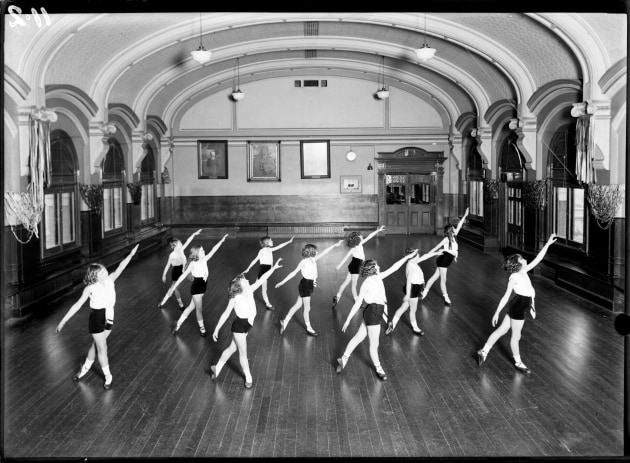
The festival also reopens the historic Flinders Street Station Ballroom as Land of 1000 Dances, a participatory dance academy offering classes across styles from Bollywood and ballet to jazz, jive, vogue and street dance.
Australian choreographers feature prominently across the Biennale program. Lucy Guerin Inc premieres The Forest at the University of Melbourne’s Union Theatre, a new work exploring humanity’s psychological and ecological relationship with trees. Drawing on myth and folklore, the piece traces the shifting meaning of forests from sanctuary to contested landscape.
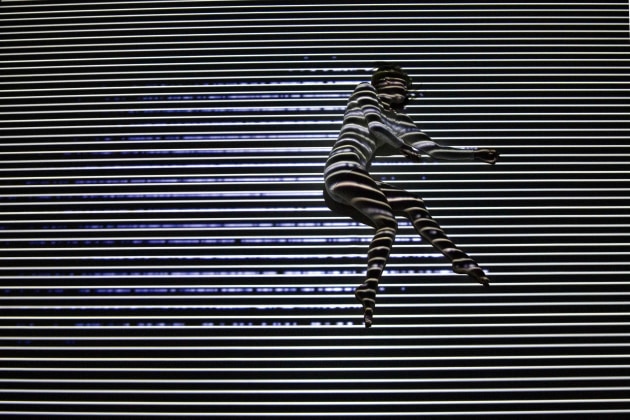
A rare revival of Chunky Move’s Glow marks the twentieth anniversary of Gideon Obarzanek’s landmark solo. First seen in 2006, the work combines choreography with interactive motion-tracking technology that transforms the dancer’s movements into beams of light.
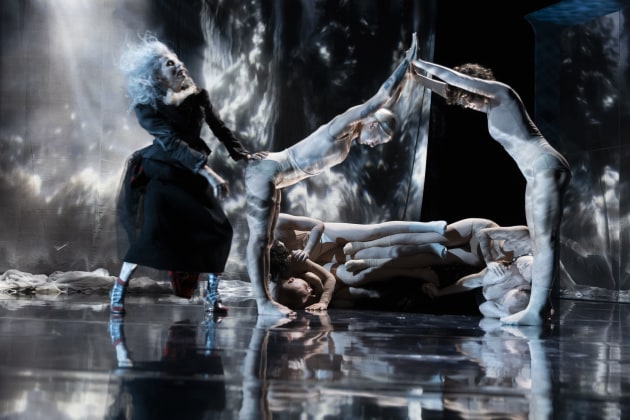
Sydney Dance Company appears in a double bill pairing Antony Hamilton’s Forever & Ever with Melanie Lane’s Love Lock. Hamilton’s work, created with musician Julian Hamilton of The Presets, merges pulsing techno with precise choreography, while Lane’s new piece examines the emotional architecture of love songs across cultures. Lane also presents Into the Woods, a duet drawing on historical witch trials and the stories of women accused of sorcery.
Elsewhere, choreographers Carly Sheppard and Alisdair Macindoe premiere The Shepherds, a darkly comic work reflecting on Australia’s pastoral myths, while Dancenorth’s RED returns after a brief appearance in the 2021 festival that was cut short by lockdown. Set inside a giant translucent orb, the duet unfolds as air slowly escapes the structure, creating an allegory for environmental fragility.
Dancehouse will host a series of works exploring the body as a site of resistance and transformation, including Branch Nebula’s Exposure and Berlin-based Australian artist Martin Hansen’s Frankie. The Biennale culminates at Melbourne Town Hall with Sissy Ball, a ballroom culture celebration curated by Kianna Loubiton Oricci that honours the political and cultural roots of vogue performance.
Beyond the theatre, dance extends into the city itself. Public events include mass participation performances led by the Royal Family Dance Crew and large-scale projections across the Hamer Hall façade as part of the festival’s annual First Peoples program.
While dance forms a central strand of the 2026 edition, the wider festival spans music, theatre and visual art. Highlights include Florentina Holzinger’s new theatrical spectacle A Year Without Summer, Narcissister’s large-scale performance installation Voyage Into Infinity, and a major exhibition, The Vinyl Factory: Reverb, exploring the cultural history of recorded sound.
Across twelve winter nights, RISING once again positions Melbourne as a site of large-scale artistic encounter. The inaugural Australian Dance Biennale suggests that choreography will be one of the festival’s most visible and defining forces in the years ahead.