


WEBSITE
www.pbt.dance
FOUNDER/DIRECTOR
Marie Walton-Mahon O.A.M.
HISTORY
Founded by Marie Walton-Mahon, PBT began as a response to dancers struggling with alignment, strength, and proprioception. Through research into muscle activation, imagery, and neuroplasticity, Marie created a conditioning program that supports and enhances all classical training methods. Today PBT is taught in over 40 countries and is continually evolving through ongoing teacher development.
STYLES/GENRES
Body conditioning program designed to support classical ballet and other movement-based training Complements all syllabi.
GRADING/MARKING SYSTEM
PBT does not examine students. Instead, teachers complete certification workshops and undergo renewal assessments to maintain high standards of instruction.
TEACHER QUALIFICATIONS
Certified through specialised workshops that include anatomy, activation techniques, safe dance principles, and practical application across all age groups.
Competitions/Awards
As PBT is a complementary conditioning program, it does not run competitions. Instead, it supports dancers preparing for competitions, auditions, and elite training by improving strength, alignment, and body awareness.
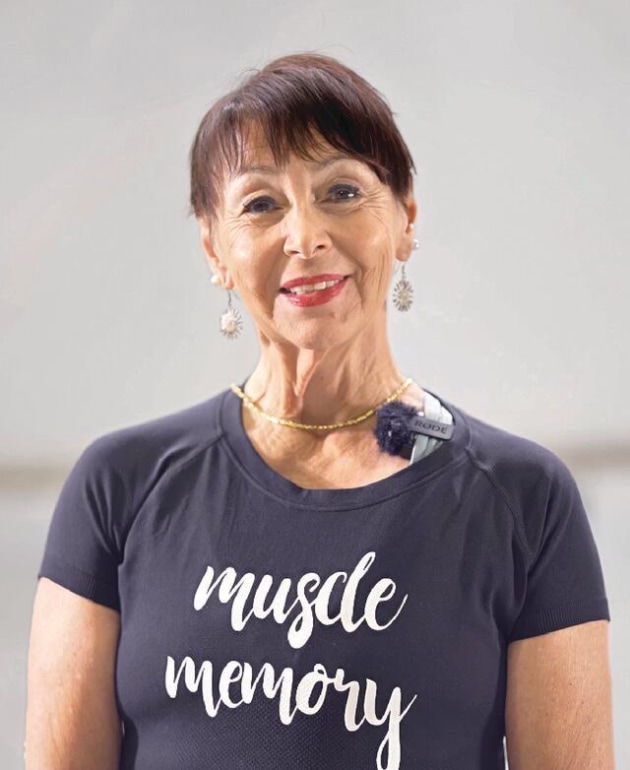
Marie Walton-Mahon OAM
Founder of Progressing Ballet Technique
How have examinations and assessments evolved, and what do you think is most important for students today?
Over the past decade, I’ve watched a quiet but powerful shift occur in the dance world. We’ve moved from a results-driven mindset toward one that recognises the individual dancer’s emotional experience, anatomy, and learning journey. Today’s students need more than a number on a report, they need to understand their own bodies, their unique pathways to mastery, and how to work with themselves rather than against themselves.
At PBT, we stepped away from student examinations deliberately. Instead, our certified teachers undergo renewal assessments to ensure they’re guiding the next generation with knowledge that evolves; just as dancers’ bodies and the artform evolve. I believe this is what matters most: cultivating dancers who are curious, self-aware, and able to sense their own progress. In a world of constant comparison, a syllabus or assessment process should reconnect a student to their own capabilities and potential. That’s where confidence, artistry, and longevity are born.
What do you see as the real value of syllabus training for young dancers?
A well-constructed syllabus gives dancers structure but its deeper value lies in stability, imagination, and possibility. Through PBT, I explore the transformative power of neuroplasticity: when a young dancer repeats movement with intention, imagery, and correct muscle patterns, they’re not just training technique; they’re wiring new pathways for life.
PBT’s 40-week yearly curriculum across Sub-Junior, Junior, Senior, and Advanced levels is built with this principle at its core. It complements all classical syllabi by giving dancers the foundational strength, alignment, and proprioception to approach their graded work with confidence and safety. It replaces fear (“I can’t feel my turnout,” “I’m not strong enough yet”) with understanding. Once a dancer feels a correct muscle pattern fire, their whole world opens.
How is your syllabus preparing dancers for the future of the artform and the profession?
The dance world is asking more of young people than ever; versatility, resilience, expressive intelligence, and physical longevity. Our program develops these through conditioning that honours the body’s biomechanics and nurtures mental focus, calmness, and self-agency.
The future dancer must know why they move, not just how. PBT trains that sense of inner listening. It creates dancers who grow safely, think critically, and step into the studio ready for whatever tomorrow’s choreography demands.