

The 2026 Syllabus Guide
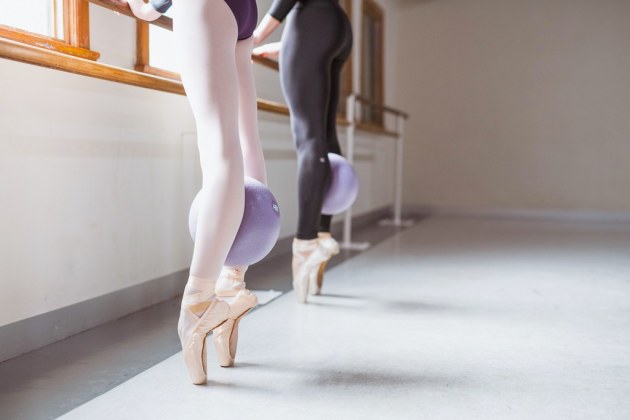
Image supplied by Progressing Ballet Technique

An insight to the syllabi that shape dancers
For generations of Australian dancers, the journey into the studio began with something beautifully simple: a set of structured exercises, an inspiring teacher, and the reassuring rhythm of a syllabus that shaped the year ahead. Long before most young people encounter school exams or assessments, dance syllabi offer a first glimpse into the world of measurable goals and personal achievement. Many parents still treasure those early report cards and certificates, storing them as carefully as they would a university degree. Yet it is worth remembering that the exam itself was never the main event. What mattered most was the syllabus. It became a shared language that continues to unite dancers long after their final plié. A casual I did that syllabus too has sparked countless moments of camaraderie, and a fond recollection of an old exercise can instantly transport a person back to the earliest joys of learning to dance.
Syllabus organisations form the backbone of dance training in Australia. They provide carefully planned progressions, examinations and assessments, competitions and awards, professional development for teachers, and pathways that serve everyone from early childhood beginners to committed pre-professional students. We are fortunate to live in a country where choice is abundant. Classical ballet alone is represented through multiple recognised methods. Beyond this, strong systems exist for contemporary, jazz, tap, character, and many other genres. Each syllabus brings its own lineage, values, and pedagogical philosophy, offering students and teachers ways to explore, refine, and articulate their practice.
The question of which syllabus is “right” for a student is both important and deeply personal. Many of us grew up training within a single method because the local school happened to teach it. Years later, as teachers or parents, we may find ourselves drawn to an entirely different approach that aligns more closely with our own artistic priorities. Students today often train in more than one syllabus, sometimes across multiple genres, and discover that certain methods complement one another. A strong classical foundation may support greater clarity in contemporary work; a syllabus with a focus on musicality may enrich a dancer’s performance quality regardless of their primary technique. What matters is not loyalty to a single system but an understanding of how each framework can develop a dancer’s body, mind, and artistic voice.
At its heart, a syllabus exists to guide learning in a progressive and reliable way. Expert-designed curricula ensure that students build skills that are appropriate for their stage of development. They support healthy technique, protect against unsafe advancement, and give teachers a map that honours both tradition and innovation. A recognised syllabus also provides reassurance that the person leading the room is qualified and working within a standards-based methodology. For families, this offers clarity. For students, it provides consistency and trust.
The exam or assessment is simply one part of this larger structure. It gives students something concrete to work toward and a meaningful way to measure progress. For some young dancers, this early experience with goal setting and disciplined preparation translates later into academic confidence. The resilience, focus, and self-assessment required in the studio can echo across schoolwork, career ambitions, and personal habits. Yet beyond technique and testing, a syllabus cultivates imagination, musical sensitivity, spatial awareness, and creative problem-solving. It is as much a tool for intellectual and emotional growth as it is for physical training.
Many of the skills fostered through syllabus-based learning reach far beyond the stage. Students learn to work collaboratively, to listen and respond, to express themselves with clarity, and to persevere through challenges. These attributes are valuable not only for aspiring dancers but for young people entering any profession. The discipline of a syllabus builds habits of curiosity, self-reflection, and artistic openness that remain useful in fields as varied as education, business, law, science, and technology.
This annual guide celebrates the richness of syllabus training in Australia and aims to help readers navigate the many options available. Within these pages you will find detailed information on the styles each organisation offers, their grading systems, their pedagogical histories, and their examinations.