

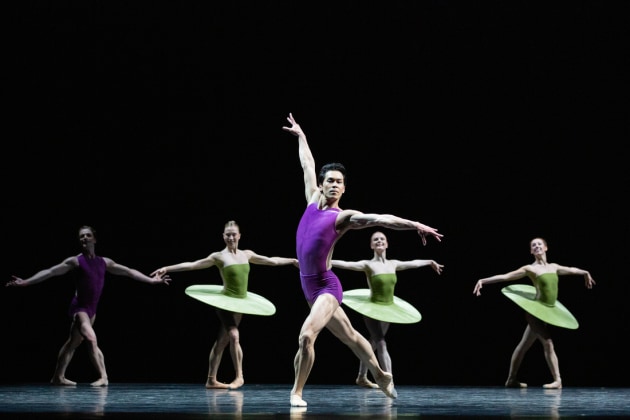
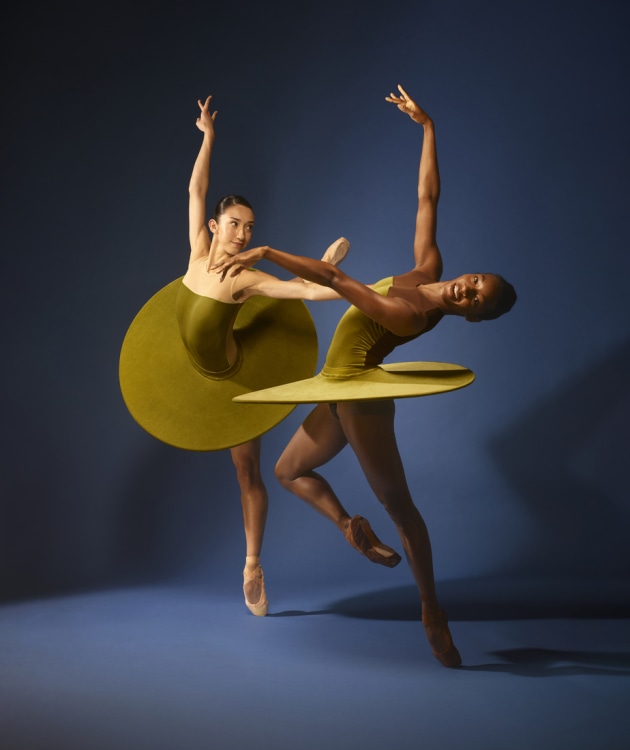
David Hallberg cast himself in an unexpected role at Tuesday morning’s launch of The Australian Ballet’s 2027 season: a “wedding DJ”. Confirming the return of Kunstkamer by popular demand, the Artistic Director joked that he had been taking requests.
It was a charming way to introduce a season that has clearly paid attention to its audience. Across five mainstage programs, the company will return to Anne Woolliams’ Swan Lake and the contemporary spectacle of Kunstkamer, give the Australian premiere of Sir Kenneth MacMillan’s Mayerling, revive Sir Frederick Ashton’s Cinderella for the first time in 47 years, and present a mixed bill of Balanchine, Forsythe and Robbins.
Hallberg called it “one of the biggest seasons we’ve ever presented; a year of grandeur, rich storytelling and masterful choreography.” At the launch, he also spoke of the company “stretching its wingspan” and reaching the breadth of what it can offer. Fittingly, the year begins with Swan Lake.
There is considerable appeal in how knowable these ballets are. Swan Lake and Cinderella arrive with stories audiences can readily call to mind, even if they have never seen these particular productions. Mayerling carries an international reputation as one of the great dramatic ballets of the 20th century. Kunstkamer has already found an enthusiastic Australian audience, while the choreographers represented in Modern Masters need little introduction.
Discovery is concentrated in the Australian premiere of Mayerling, the long absence of Cinderella and the way the mixed bill has been configured separately for Melbourne and Sydney. As Hallberg said, “I believe this season reflects the diverse tastes of our audiences, offering something that resonates with every person who walks through our doors.”
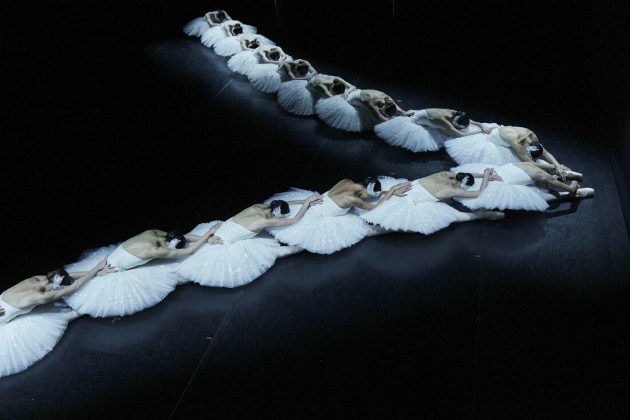
Hallberg’s 2023 reimagining of Woolliams’ Swan Lake opens the season in Melbourne from 16 to 27 March, before travelling to Sydney from 9 to 28 April. Woolliams’ production reaches its 50th year in The Australian Ballet’s repertoire in 2027, part of a company history that now includes more than 710 performances of the ballet.
The Melbourne season will also mark The Australian Ballet’s full return to the refurbished Ian Potter State Theatre. With Tchaikovsky’s score played by Orchestra Victoria, Swan Lake should make a suitably expansive homecoming.
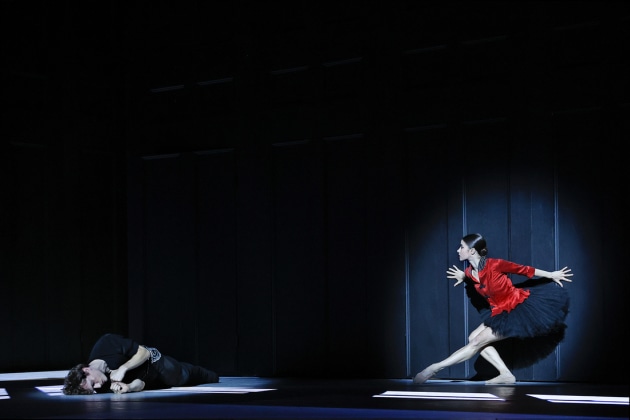
Kunstkamer returns five years after its Australian premiere. Created by Sol León, Paul Lightfoot, Crystal Pite and Marco Goecke for Nederlands Dans Theater’s 60th anniversary, it draws theatre, film, spoken word, song and movement into a vast cabinet of curiosities. Its score ranges from Bach, Beethoven and Britten to Janis Joplin and Joby Talbot.
The work was one of the major events of The Australian Ballet’s 2022 season, and its return is an ambitious response to that reception. Sydney will see it from 6 to 19 May, followed by Melbourne from 11 to 19 June.
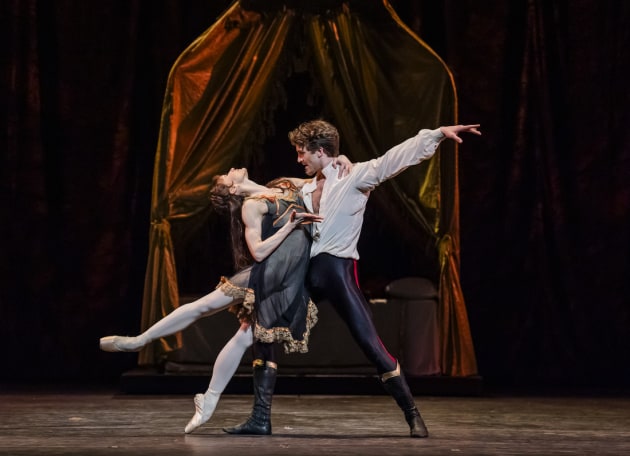
The season’s Australian premiere is MacMillan’s Mayerling, exclusive to Melbourne from 30 June to 10 July. The ballet follows the final days of Crown Prince Rudolf of Austria through political intrigue, obsession and despair. Rudolf is rarely absent from the stage, dancing seven pas de deux with five partners across one of the most demanding dramatic roles in the repertory.
Its score also provides one of several Australian threads running through this international season. Franz Liszt’s music was arranged by John Lanchbery, who served as Music Director of The Australian Ballet from 1972 to 1978 and played an important role in the company’s musical history.
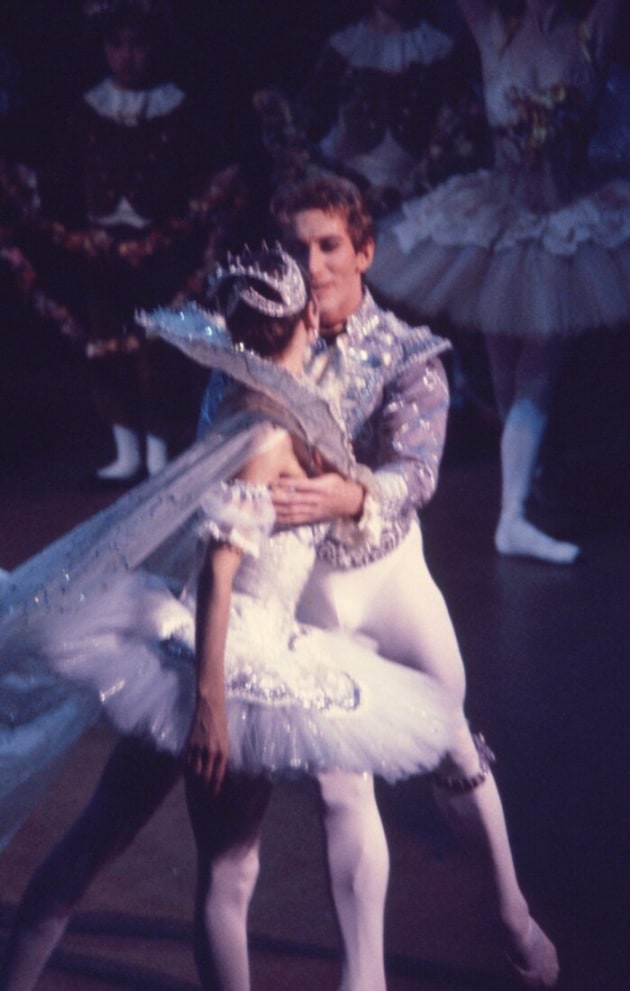
Ashton’s Cinderella carries an even more visible connection to the company’s past. The Australian Ballet first presented the production for its tenth anniversary in 1972, when Ashton and Sir Robert Helpmann reprised their famous roles as the stepsisters. The ballet was last performed by the company in 1980.
The 2027 revival will form part of the international Ashton Worldwide Celebration, with The Australian Ballet the only company in the Southern Hemisphere presenting Cinderella during the five-year event. Kristian Fredrikson’s 1972 costumes will be recreated, while Richard Roberts will design new sets paying tribute to Fredrikson’s original production.
Opening in Adelaide from 4 to 11 September, Cinderella will then travel to Melbourne from 25 September to 9 October and Sydney from 26 November to 22 December. The combination of Ashton’s romantic choreography, Prokofiev’s score, Fredrikson’s designs and the comedy of the stepsisters gives it all the ingredients of a very popular return.
The final program, Modern Masters, brings together three choreographers who substantially altered the language and theatrical possibilities of ballet during the 20th century.
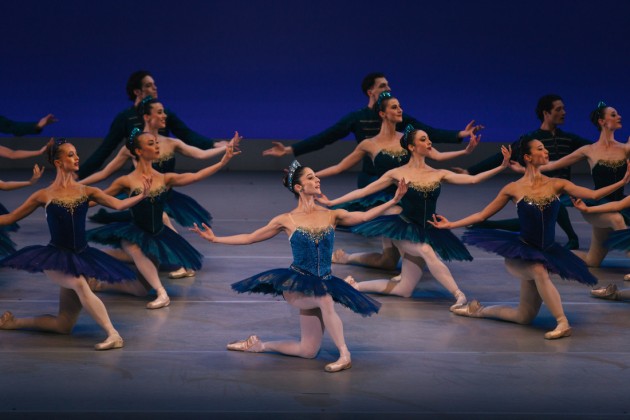
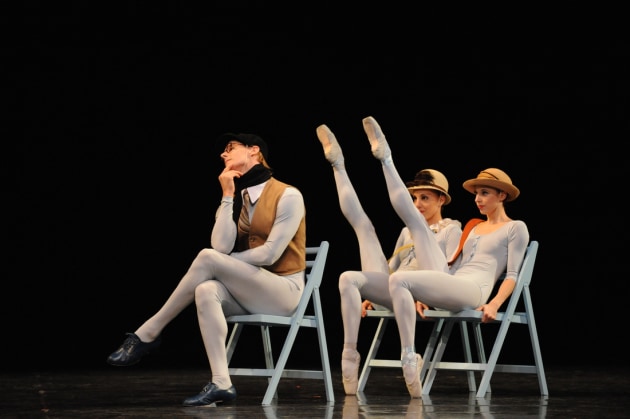
Both cities will see George Balanchine’s intimate Duo Concertant, Jerome Robbins’ comic The Concert and William Forsythe’s exhilarating The Vertiginous Thrill of Exactitude. A fourth work will change with the city: Melbourne receives The Australian Ballet premiere of Balanchine’s Kammermusik No. 2, while Sydney will see his grand, Petipa-inflected Ballet Imperial.
It is one of the season’s smartest programming details, giving the mixed bill a shared spine and a distinct identity in each city. Melbourne performances run from 16 to 23 October, with Sydney following from 12 to 20 November.
The scale of the season also comes with a prominent acknowledgement of how it has been financed. Every mainstage production has philanthropic support, with Swan Lake entirely funded by donors.
“Their belief in what this company gives audiences allows us the confidence to realise our artistic hopes, take creative risks and continue to share our artform across the country,” Hallberg said.
Beyond the mainstage season, The Australian Ballet will continue its annual On Tour program, visiting regional communities including Shepparton, Taree and Wagga Wagga. Storytime Ballet and the company’s Education and Outreach performances and workshops will also continue, with further details to be announced.
Across the year, the repertoire reaches from Imperial Russia and British narrative ballet to European dance theatre and American neoclassicism. Australian history runs throughout it, through Woolliams, Helpmann, Fredrikson, Lanchbery and the company’s own long relationship with these works.
In the room on Tuesday, the clearest impression was that Hallberg knows his audience. The season offers major classical productions, a popular contemporary return and serious choreographic range for the dancers. I suspect audiences will be very pleased with the result.
Principal season packages go on sale in Melbourne on 9 September and Sydney on 16 September. Create Your Own packages will be available from 14 October, followed by single tickets on 11 November.