

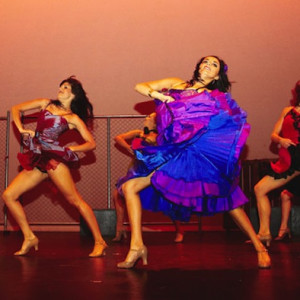
The theatre lights dim, the overture starts, a hush of excitement and anticipation descends over the audience and the curtain rises. It is a heady and thrilling moment for the audience matched by the adrenaline and anticipation of the performers standing side stage. This is the world of musical theatre – a world where belief is suspended and the magic of illusion makes anything possible.
For the performers, this moment is the culmination of years of training and hard slog. So what does it take to reach the top in this remarkable world? Traditionally, musical theatre performers have been required to master the “triple-threat” of singing, acting and dance. Yet modern productions require an ever-increasing range of skills, such as puppetry and stilt-walking (Lion King), acrobatics (Pippin), playing a musical instrument (Sunset Boulevard) and roller-skating (Starlight Express). It seems performers are now required to be quadruple or quintuple-threat performers!
So, in light of all this, just how important is the dance component of a traditional triple-treat performers’ repertoire and what type of dance should a music theatre aspirant be learning? Well, to have the best chance at continuous work, they need to strong across all three traditional areas and have a few extra skills as well.
Craig Haines is from ed5international, a performing arts school in Sydney. He says it is impossible to predict which shows will hit Australian theatres over the next 10 to 20 years, but it is certain that the overwhelming majority will require traditional triple-threat performers. “If you want to stay employed and make choices in your career, then you have to be good at every aspect of performing arts,” he says.
As Haines points out, most musical theatre performers generally get their start in the industry as members of the ensemble or as understudies. This means they need to be “as good as every swing or ensemble member in the show” in all three traditional areas.
Cameron Mitchell, the artistic director of Brent Street in Sydney, adds that the weighting, in terms of skill sets, largely depends on the show. “If it is Chorus Line or West Side Story then you must be a great dancer as well as singer and actor. In contrast, if it is Les Miserables, you need to be a strong singer and at least be able to march in time.”
In terms of the style of dance that students should be learning, a strong ballet technique is an important foundation in addition to jazz and tap. Andrew Hallsworth, the director of musical theatre at Patrick Studios Australia in Melbourne, advises that even these three styles are just the basics. “I think all musical theatre students should do class in all genres including pas de deux, ballroom and Pilates”. He adds that it is imperative that musical theatre performers show a “technique” regardless of their dance ability. If you are a brilliant singer and actor with only basic dance skills, “you still need to show technique: strong body posture and carriage; a long line; legs and feet turned out and lovely upper body and arm line”. The landscape of musical theatre is changing all the time, reflecting popular culture as well as what appeals commercially. Hallsworth advises that performers need to keep broadening their skills – including learning other genres such as hip hop.
So in addition to a range of dance styles, how important is it for musical theatre performers to develop non-dance skills? “The more you can do, the more shows you are right for and the more you will work,” advises Mitchell. Being able to play a musical instrument or perform acrobatics can help you stand out from the crowd and open the door to more opportunities.
At ed5international, students are encouraged to have a least one trick that they can pull out at an audition if required. “Everyone has been at an audition where, after five to six hours of dancing, the panel will ask to see what acro anyone can do,” Haines says. While not everyone needs to have acro in their repertoire, “if it comes down to you and just one other person who is equally as good as you, but they can flip, and they need a trick in the show, guess who is going to get hired?”.
This is an excerpt from an article by Michelle Durusn in the June/July issue of Dance Australia. For the full story, buy the magazine from your favourite outlet, or download our app.