

This story attracted unusual attention in the press – in the general media to medical journals and even in the business press!
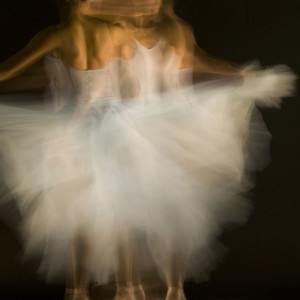
A study has been published that concludes that “ballerinas” don’t go dizzy like normal people when turning because their brains have actually developed differently.
The study has the brain testing title The Neuroanatomical Correlates of Training-Related Perceptuo-Reflex Uncoupling in Dancers, and was published in the journal Cerebral Cortex in London. It compared 29 female ballet dancers and 20 female rowers. The participants were spun around in a chair in a dark room. The dancers experienced lower levels of dizziness than the rowers. Brain scans revealed differences between the dancers and rowers in two parts of the brain: the cerebral cortex, which is responsible for the perception of dizziness, and an area in the cerebellum where sensory input from the vestibular organs in the inner ear is processed. The vestibular system includes hair cells resting in fluid that detect sound and head movement.
The area in the cerebellum was smaller in dancers, scans showed.
The researchers also found that the rowers' perception of spinning closely matched the eye reflexes triggered by vestibular signals, but this was not seen in the dancers. The findings may prove important for how doctors test patients with chronic dizziness.
"This shows that the sensation of spinning is separate from the reflexes that make your eyes move back and forth," Seemungal said.
The researchers hope that the research will help in treating people with chronic dizziness.
One wonders if anybody mentioned spotting.