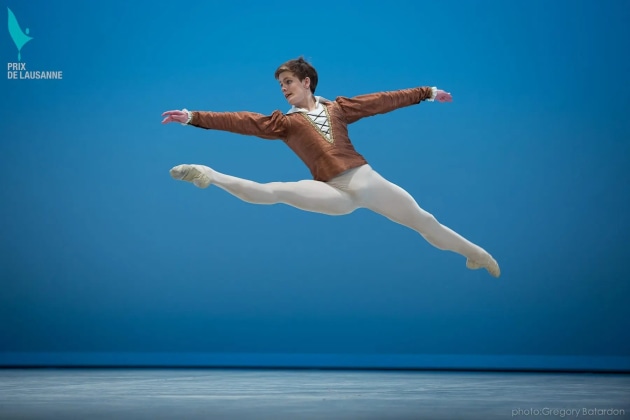
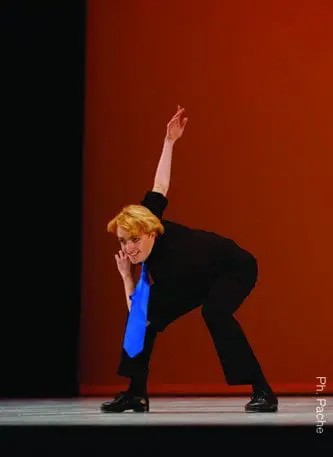
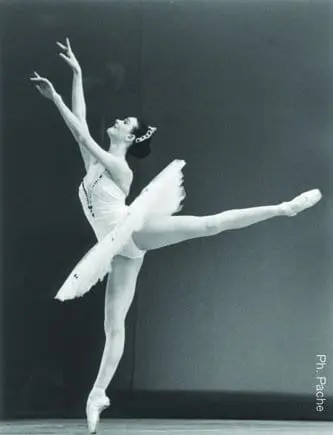
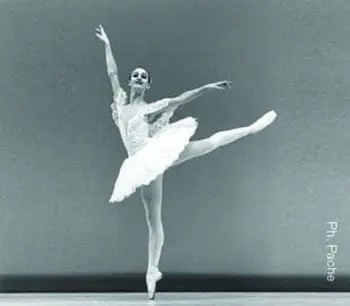
From 1 to 8 February 2026, the Théâtre de Beaulieu will again become one of the most closely watched spaces in international dance. For a week, its foyers turn into studios, its backstage corridors hum with nervous energy, and the stage becomes a testing ground for potential rather than polish. The Prix de Lausanne is about to begin once more, bringing with it a familiar sense of anticipation for audiences on this side of the world.
Founded in 1973 by Swiss industrialist Philippe Braunschweig and his wife Elvire, the Prix de Lausanne was established in response to a clear gap in the dance world. Talented young dancers, particularly those outside major centres, often lacked the financial support and access required to pursue professional training. From its earliest years, shaped by figures such as Rosella Hightower and Maurice Béjart, the competition set out to identify potential, support education and create pathways rather than simply rank results. More than fifty years on, that founding philosophy continues to define the Prix.
Most Dance Australia readers need little introduction to the Prix. Founded in 1973, the competition has remained a quietly radical presence within the ballet world, placing development, education and wellbeing at the centre of its mission. It rewards promise rather than finish, recognising that artistry takes time and that the transition from student to professional requires care, patience and support.
What is sometimes easy to overlook is how deeply Australia and New Zealand are woven into the history of the Prix. From the competition’s earliest decades through to the present day, dancers from this region have participated in significant numbers and gone on to shape the international ballet landscape.
That connection is reinforced at an institutional level. Queensland Ballet Academy, The Australian Ballet School and New Zealand School of Dance are all Partner Schools of the Prix de Lausanne, reflecting the strength of training in the region and its alignment with the competition’s educational and ethical framework. For young dancers from Australia and New Zealand, Lausanne has long represented both opportunity and recognition within a global context.
Australian and New Zealand prize winners span nearly five decades and include many of the most recognisable names to emerge from our region:
Australian and New Zealand Prix de Lausanne winners
1976
Rogert Johannsen, Australia
1981
Leanne Benjamin, Australia
1986
Nicola Jane Searchfield, New Zealand
1987
Dana Fouras, Australia
1988
Lisa-Maree Cullum, New Zealand
1989
Lucinda Dunn, Australia
1991
Jacinta Ross, Australia
Justin Meissner, Australia
1994
Emma Sandall, Australia
Olivia Bell, Australia
1999
Kate Cornish, Australia
2001
Natasha Kusen, Australia
2003
Steven McRae, Australia
2004
Alison McWhinney, Australia
2009
Hannah O’Neill, New Zealand
2010
Caitlin Stawaruk, Australia
2012
Nikolaus Tudorin, Australia
2013
Joel Woellner, Australia
2015
Harrison Lee, Australia
2022
Amy Ronnfeldt, Australia
2023
Emily Sprout, Australia
2024
Jenson Blight, Australia
For many of these dancers, Lausanne marked a decisive point in their training. Scholarships placed them within some of the world’s most rigorous schools and companies. Apprenticeships offered early exposure to professional environments. Dozens more Australian and New Zealand dancers who did not reach the finals were seen, coached and assessed by directors and educators with a long view of artistic development.
In an increasingly crowded international competition landscape, the Prix’s values continue to resonate. Its emphasis on ethical practice, academic education and dancer wellbeing has endured, offering young artists a framework that extends beyond performance alone. For Australian and New Zealand dancers, often training far from the traditional centres of Europe and North America, this approach has carried particular weight.
The 2026 edition will see around 80 candidates from across the world take part in a full week of classes, coaching sessions and performances, culminating in a live broadcast final featuring the top 20 dancers. Each arrives carrying the same ambition that has drawn generations to Lausanne before them.
Next week, Dance Australia will be on the ground, following the competition from inside the studios and beyond the stage lights. We will track the Australian and New Zealand presence, speak with candidates, teachers and alumni, and reflect on why this competition continues to hold such resonance for our region.
The Prix de Lausanne may be global in scope. Its story has long included voices from here, and as the 2026 competition gets underway, that connection remains unmistakable.
This article forms part of Dance Australia’s 2026 Prix de Lausanne coverage, generously supported by our coverage partner, Bloch Australia.