

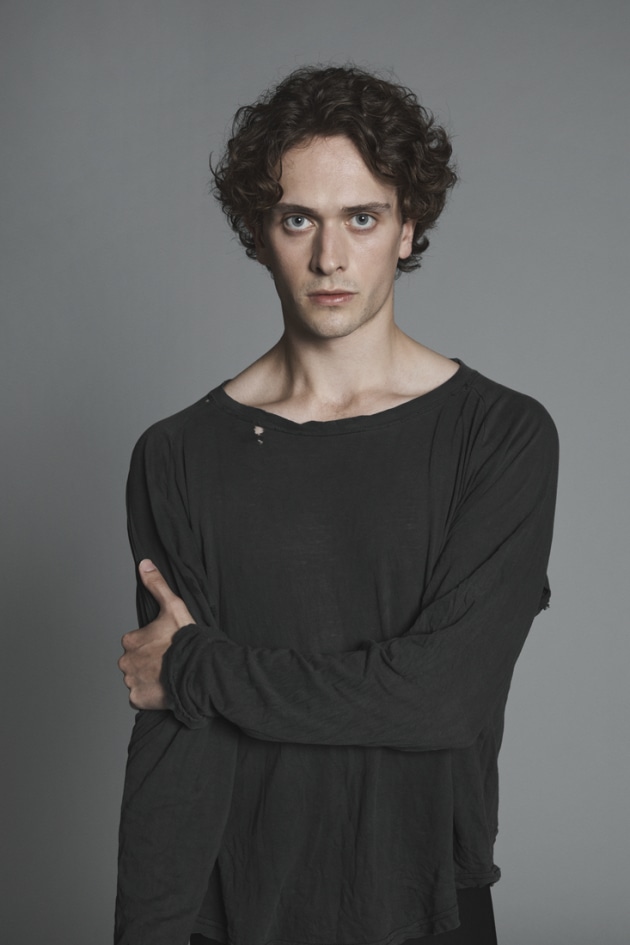
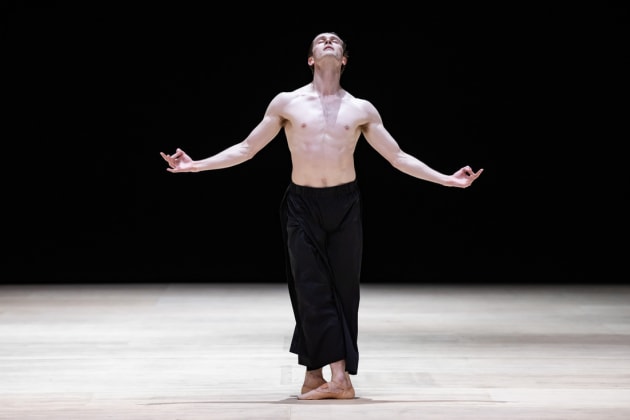
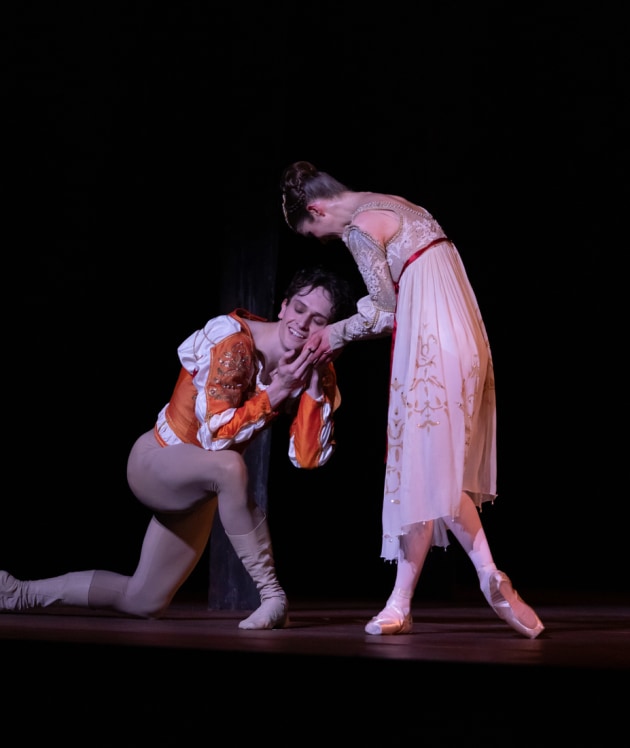
After more than a decade with The Australian Ballet, Principal Artist Callum Linnane will depart the company this June to join Hamburg Ballet as a principal artist for the 2026/2027 season, marking a significant new chapter in his career.
A dancer of striking dramatic instinct and presence, Linnane has become a defining figure within the company’s recent history. Hailing from Ballarat, he rose through the ranks with clarity and momentum, building a repertoire that spans both classical and contemporary demands. His performances have consistently carried a sense of scale, whether in narrative roles or more abstract work.
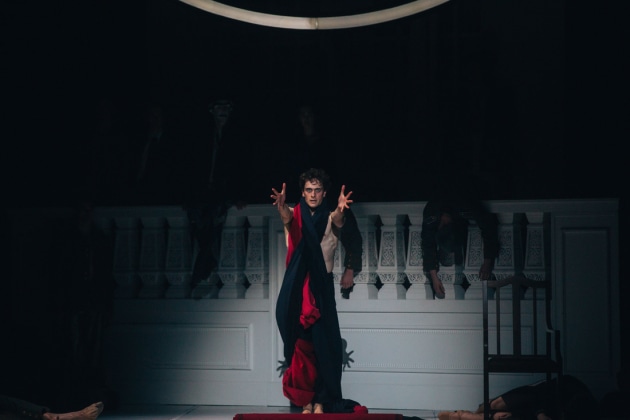
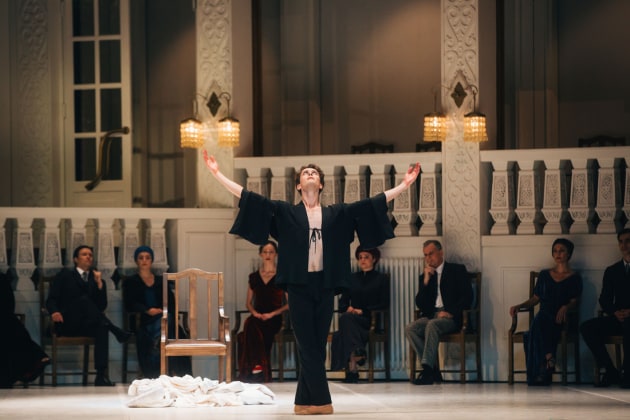
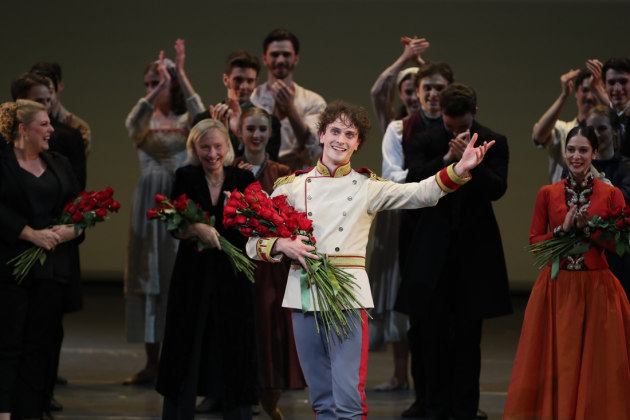
Among his most recognised roles are Prince Siegfried in Swan Lake, Romeo in John Cranko’s Romeo and Juliet, and Alexei Vronsky in Yuri Possokhov’s Anna Karenina. His portrayal of Nijinsky in John Neumeier’s Nijinsky has remained a touchstone across his career, first marking him out early in his tenure and returning again in 2025. More recently, his performance in Christopher Wheeldon’s Oscar signalled an artist continuing to expand his range and theatrical command.
Artistic Director David Hallberg described Linnane as an artist of rare depth, noting both his early impact and continued evolution. “Callum has always been an inspired artist who in turn has inspired audiences and colleagues… I applaud Callum’s desire to stretch and grow. While he will be greatly missed, I am thrilled for him as he takes this next step.”
Linnane’s departure carries a sense of full-circle continuity. He entered The Australian Ballet School at just 12, graduating dux with honours in 2014 before joining the company in 2015. Within a year, he was awarded the Telstra Ballet Dancer Award, and in 2022, he was promoted to principal artist on opening night of Anna Karenina in Melbourne.
“I grew up at The Australian Ballet,” Linnane said. “From first walking through the doors of the School as an excited 12-year-old, to becoming a principal artist with the Company, this place has shaped me both as a person and as an artist. I’ve been incredibly fortunate to be nurtured, challenged, to work with truly wonderful people, and to dance great works.”
“To now join Hamburg Ballet, a company I have long admired, is both exciting and meaningful. I carry my time here very close to my heart. It has been an extraordinary chapter.”
His move to Hamburg Ballet places him within one of Europe’s most distinctive companies, long associated with John Neumeier’s legacy and a repertoire that privileges psychological depth and musicality. It is a natural extension for an artist whose career has shown a strong affinity for narrative and character-driven work.
Australian audiences will have a final opportunity to see Linnane perform before his departure. He appears in Flora at the Sydney Opera House from 7–18 April, followed by Romeo and Juliet in Sydney from 24 April–13 May and in Melbourne from 6–16 June.
His departure is a moment of pride as much as farewell. Linnane’s trajectory reflects the strength of Australia’s training pipeline and the increasing fluidity of the international ballet landscape. For The Australian Ballet, it marks the close of a substantial chapter. For Linnane, it opens another, already charged with expectation.